

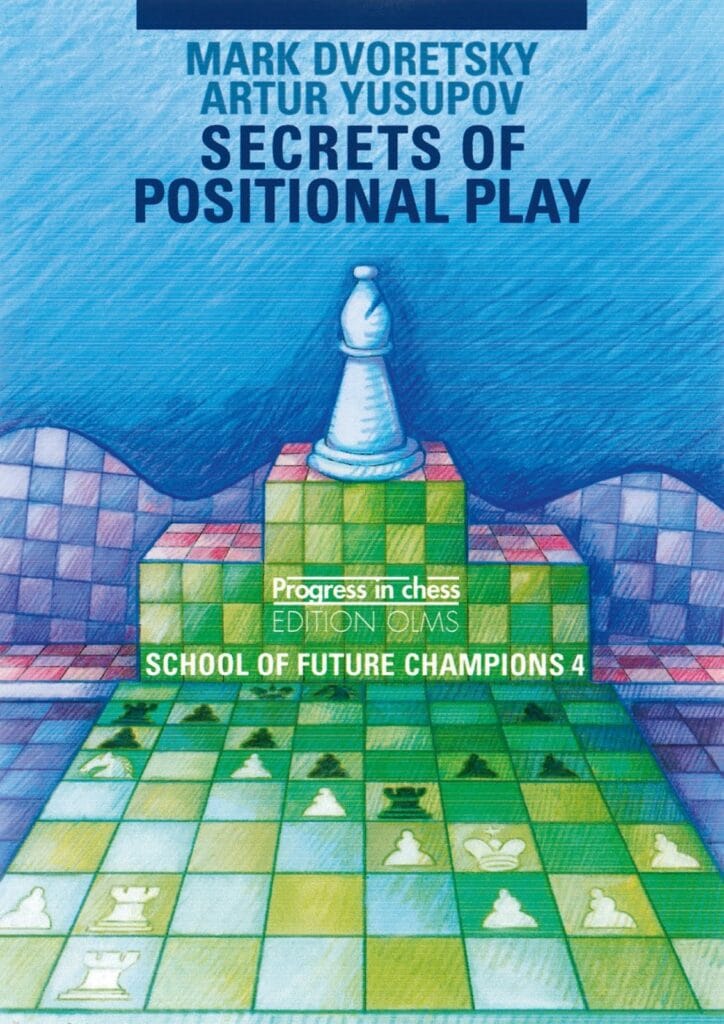
If you think chess is all about tactics and fireworks, Secrets of Positional Play will gently correct you: the greatest battles sometimes happen in silence.
This book, co-authored by Mark Dvoretsky and Artur Yusupov, explores the deep, patient art of positional strategy. It teaches you how to build subtle advantages, the kind that quietly crush an opponent over many moves.
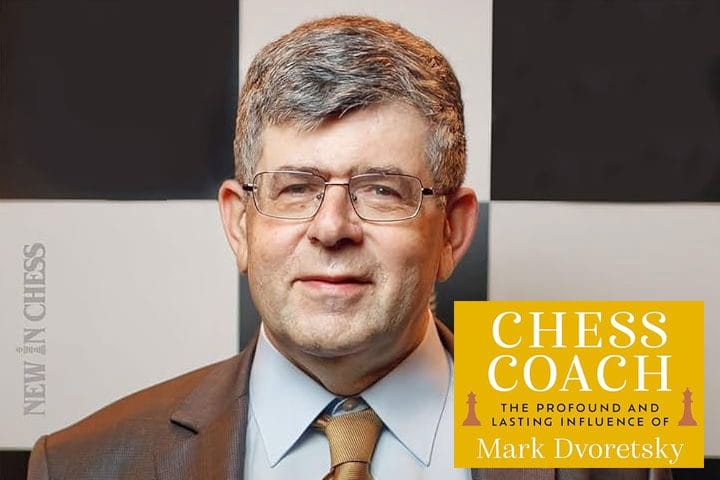
Dvoretsky, one of the world’s greatest trainers, does not ask you to memorize flashy combinations. Instead, he helps you understand how to feel positions, how to plan, how to maneuver, and how to transform small advantages into wins.
What is in This Book?
Secrets of Positional Play is the fourth volume in the School of Future Champions series.
Dvoretsky and Yusupov, along with contributions from their top students, explore prophylactic thinking, planning, maneuvering, and strategic transformation.
They draw from grandmaster games, training exercises, and typical middlegame structures to build a complete picture of what real positional mastery looks like.
Why This Book Matters
Prophylaxis at the Core
A big part of the book deals with prophylactic thinking, a concept introduced by the legendary Nimzowitsch.
Prophylaxis means anticipating the opponent’s ideas and stopping them before they begin. Dvoretsky breaks this down in a way that is concrete and teachable.
Training, Not Just Theory
Dvoretsky built this book around training. It is not a casual read. It’s part of a rigorous course for ambitious players. He includes positional exercises that challenge you to find plans, maneuver pieces, or decide when to change the nature of the game.
Real Game Examples
The book uses illustrative games by top players and Dvoretsky’s own students. These games show how the ideas work in practice. You see how planning, maneuvering, and prophylaxis lead to real gains.
Complex Strategic Themes
Some chapters deal with very advanced topics that include:
- How to transform a position when you have a slight edge.
- Deep strategy involving opposite-color bishops, where static weaknesses matter a lot.
- How to create or deal with multiple strategic weaknesses.
Strengths and Highlights
Role of the Worst-Placed Piece
Dvoretsky insists that improving the worst piece is a key principle in positional play. This aligns with what many top players know: bringing your worst piece into action can change the entire dynamic.
Maneuvering Made Concrete
In the chapter on maneuvering, Yusupov and Dvoretsky show real “positional operations”. These are small moves that stitch together a long-term plan.
Planning for Different Scenarios
The authors describe how to draw up plans depending on pawn structure, piece placement, and long-term weaknesses.
Transformation of Position
One of the trickiest skills in chess is converting small strategic edges into a better structure or into tactical opportunities. Dvoretsky handles this elegantly.
Typical Positions
Several chapters highlight recurring structures, for example, opposite-color bishops or pawn majorities.
Complicated Strategy in Practice
Grandmaster games are also included in the book. These help you see how strategy looks at very high levels.
Who is This Book For?
This is not a beginner’s manual. Several sources agree that the book is best suited for intermediate to advanced players, with a rating of 1,500 Elo or higher.
It demands serious thought, and many of its exercises are hard even for well-trained students.
If you are someone who already knows the basics of tactics and openings but struggles with quiet positions or planning your long-term strategy, books like this one will help you significantly.
Players who enjoy building their game around tactical shots will benefit most: Dvoretsky teaches you how to establish a solid foundation so that your tactics have purpose.
Coaches and serious students will also love this: the structure, the exercises, and the game selection make it a rich training resource.
If you enjoy Dvoretsky’s style, he also has a book on how to improve endgame play.
Possible Drawbacks
Complexity
Some readers find his style dense and demanding. Reviewers have noted that Dvoretsky includes deep analysis and long, tricky examples.
Slow Pace
Because the book emphasizes maneuvering, you may find some parts slow or less exciting than a tactics manual. It rewards patience, not flashy attacks.
Translation Issues
In older editions, some concepts are translated in a technical way. But newer editions (such as the 2007 Olms printing) are clearer.
Not For Quick Reading
You will likely reread chapters, solve the exercises, and spend time with a board. This is study material, not light weekend reading.
Final Verdict
If you truly want to level up your middlegame understanding, this book is one of the very best positional guides.
Buy it, study it, and revisit it often. It won’t give you shortcuts, but it will deepen your understanding of chess. And once you internalize its lessons, your positional play and confidence will grow in ways you never expected.